
Bentley Enters Its Electric Chapter
A New Line Begins
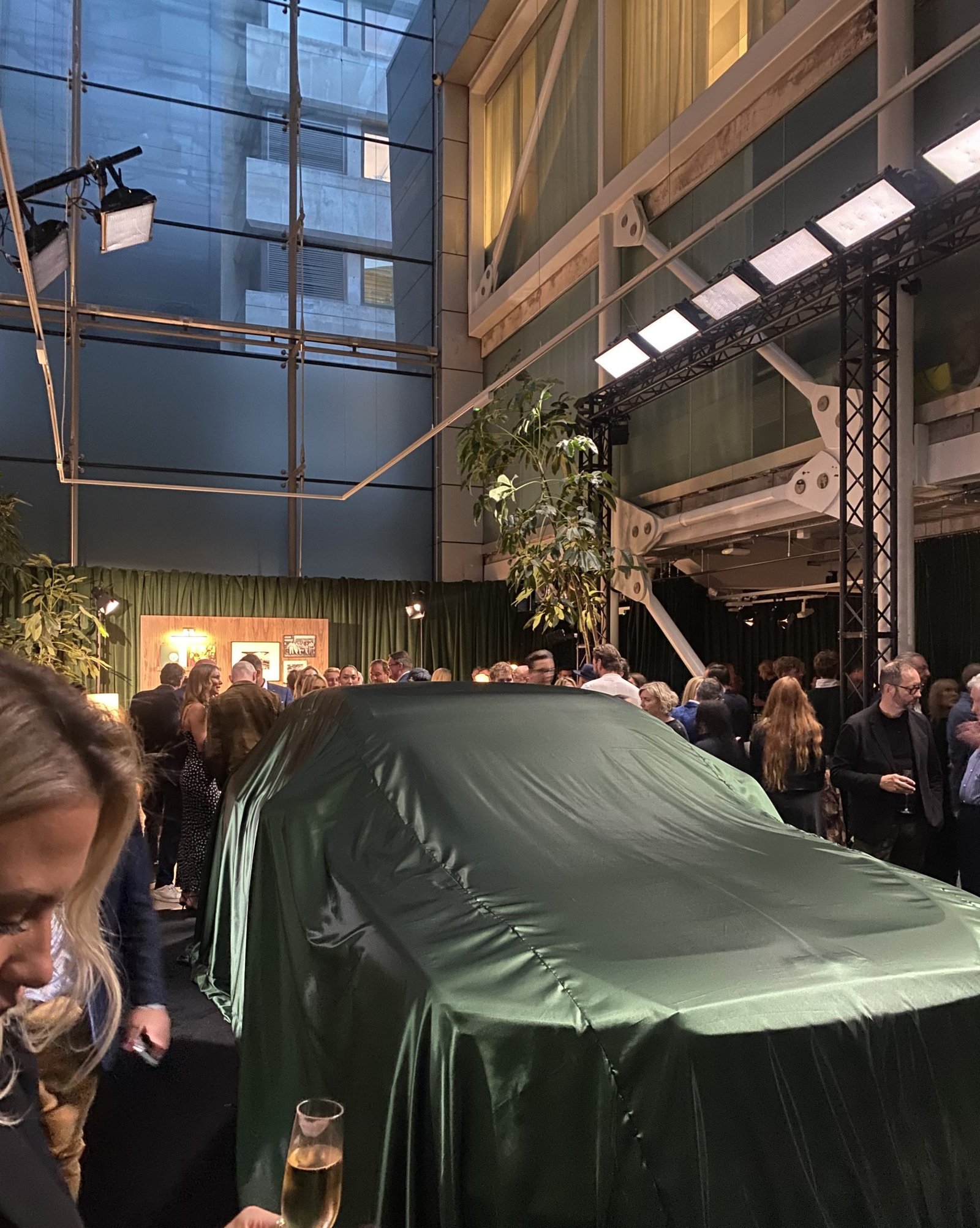
23 September 2026 — 180 Strand, London
Present for the evening, witnessing a moment in which Bentley’s history was placed into a new composition. At 180 Strand, Bentley introduced the Torcal, its first fully electric vehicle and its first entirely new model line in a decade. The reveal marked more than an addition to the marque’s portfolio; it represented a considered shift in how its established character might be carried into a new era. Joining the Continental GT, Flying Spur and Bentayga, the Torcal becomes Bentley’s fourth core model line. Its arrival extends the marque’s familiar principles of performance, comfort and hand-finished detail into an architecture designed around electric power from its beginning. Its name is drawn from El Torcal de Antequera, the ancient limestone landscape in southern Spain. It also carries a linguistic connection to torquere the Latin root associated with twisting force and, in turn, torque. There is a quiet appropriateness to the name: something shaped over time, yet defined by movement.
Form, Character and Performance
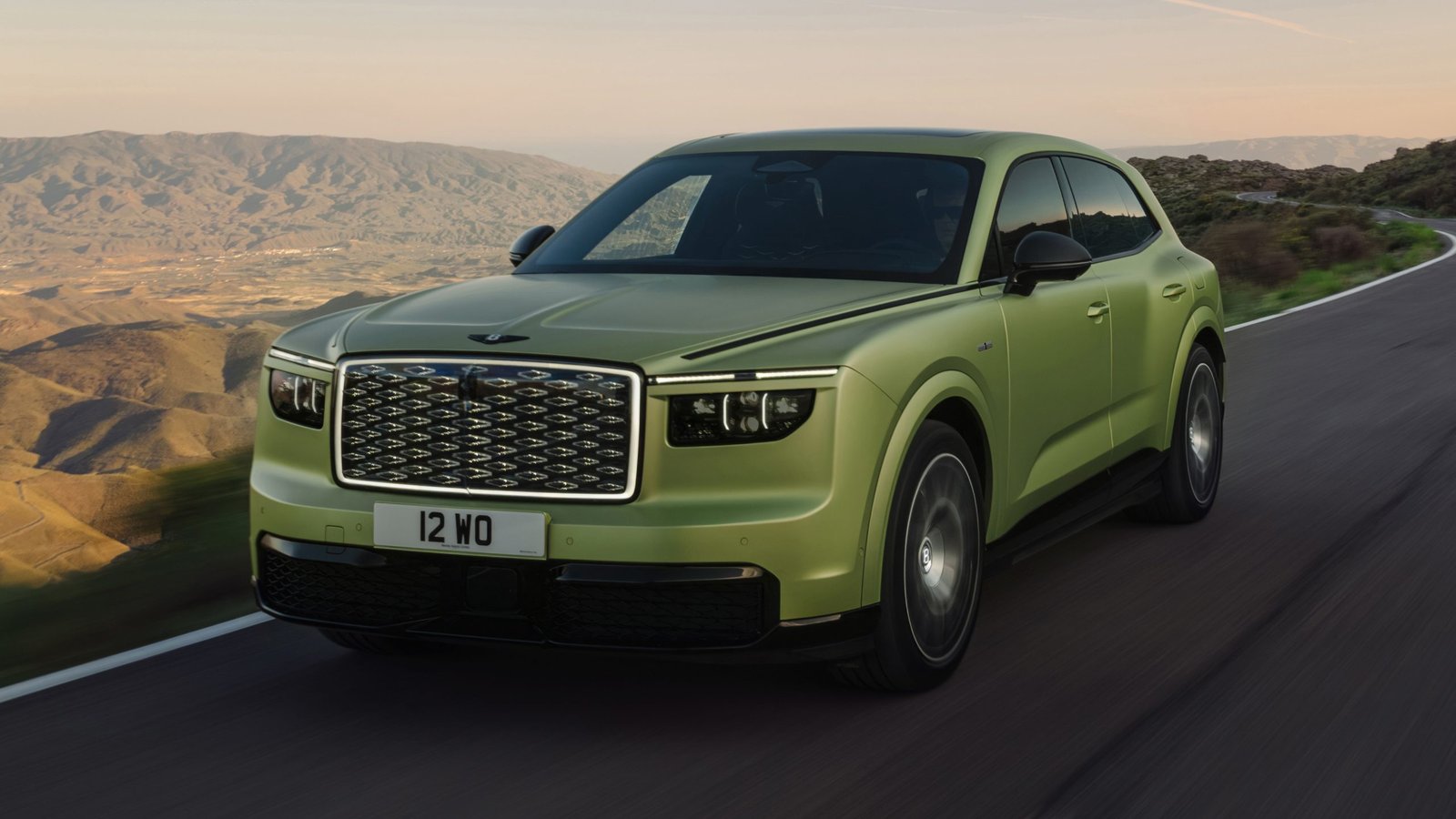
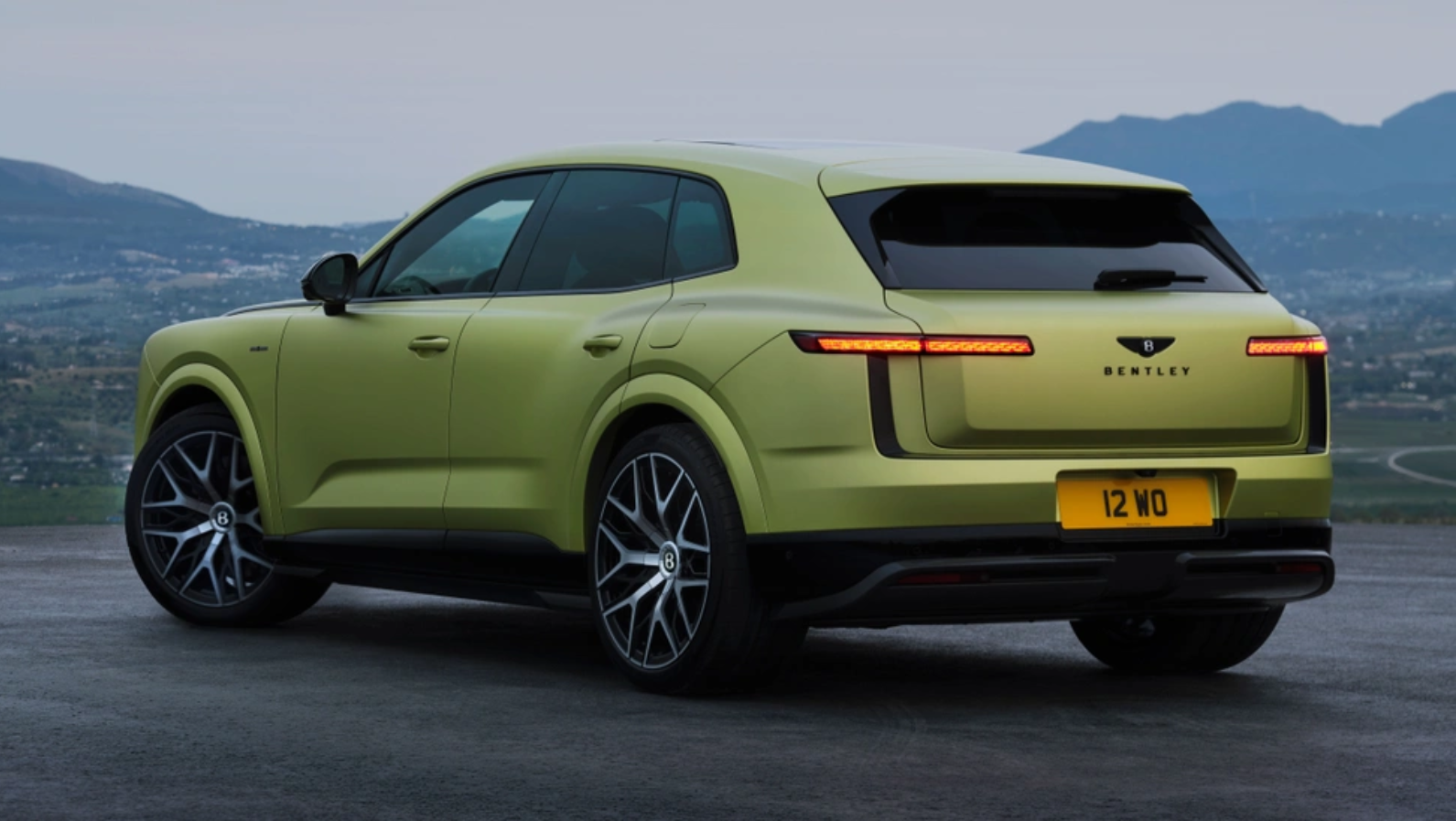
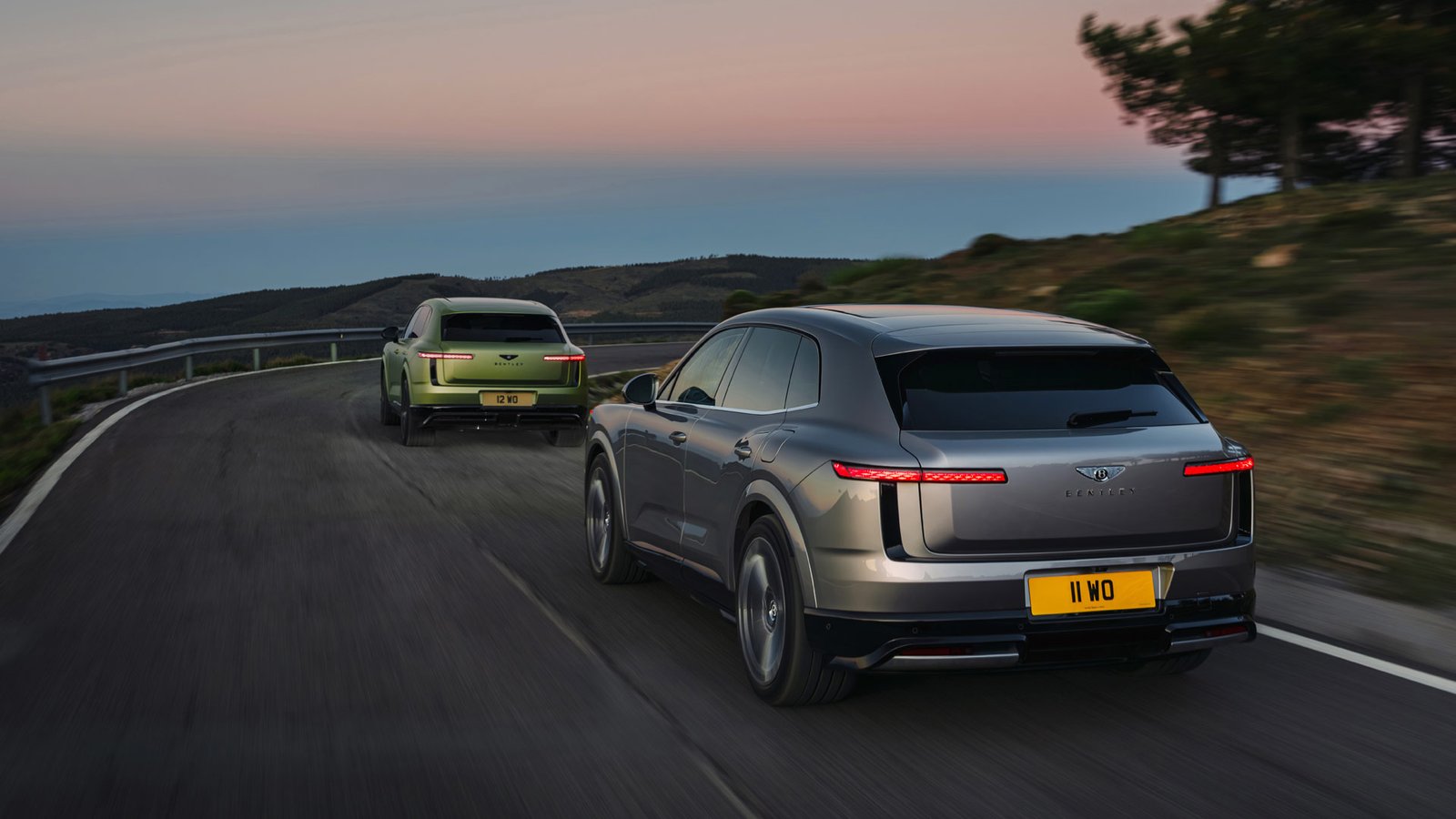
The Torcal retains an immediate sense of Bentley while introducing a more progressive visual language. Rather than pursuing an overtly futuristic form, its design refines familiar elements through new proportions, surfaces and details. A clean roofline, defined shoulders and pronounced rear form give the vehicle a grounded and assured presence, while light and shadow reveal its character from different positions. At the front, the traditional grille is reconsidered as an illuminated feature. Formed from 76 individually applied LED elements, the floating diamond grille transforms a familiar Bentley signature into a field of light. Across the vehicle, lighting, body surfaces and proportion are brought together as one composition powerful in presence without relying on excess.
Two expressions were presented: the Torcal and the more performance-led Torcal S. The latter introduces darker exterior treatments, increased power and a stronger focus on driving dynamics. Delivering up to 888 PS and 1,350 Nm of torque, its the most powerful production Bentley to date, reaching 0–60 mph in as little as 2.8 seconds. Its projected range extends to 375 miles, while the 800-volt architecture enables a 10–80 per cent charge in approximately 16 minutes. These figures establish the Torcal’s technical capacity, but numbers alone do not define its character. Bentley Chairman and CEO Dr Frank-Steffen Walliser described it as potentially “the most considered car in our history” a quality found in the balance between performance, comfort, materiality and experience.
Automotive Craft in the Electric Era
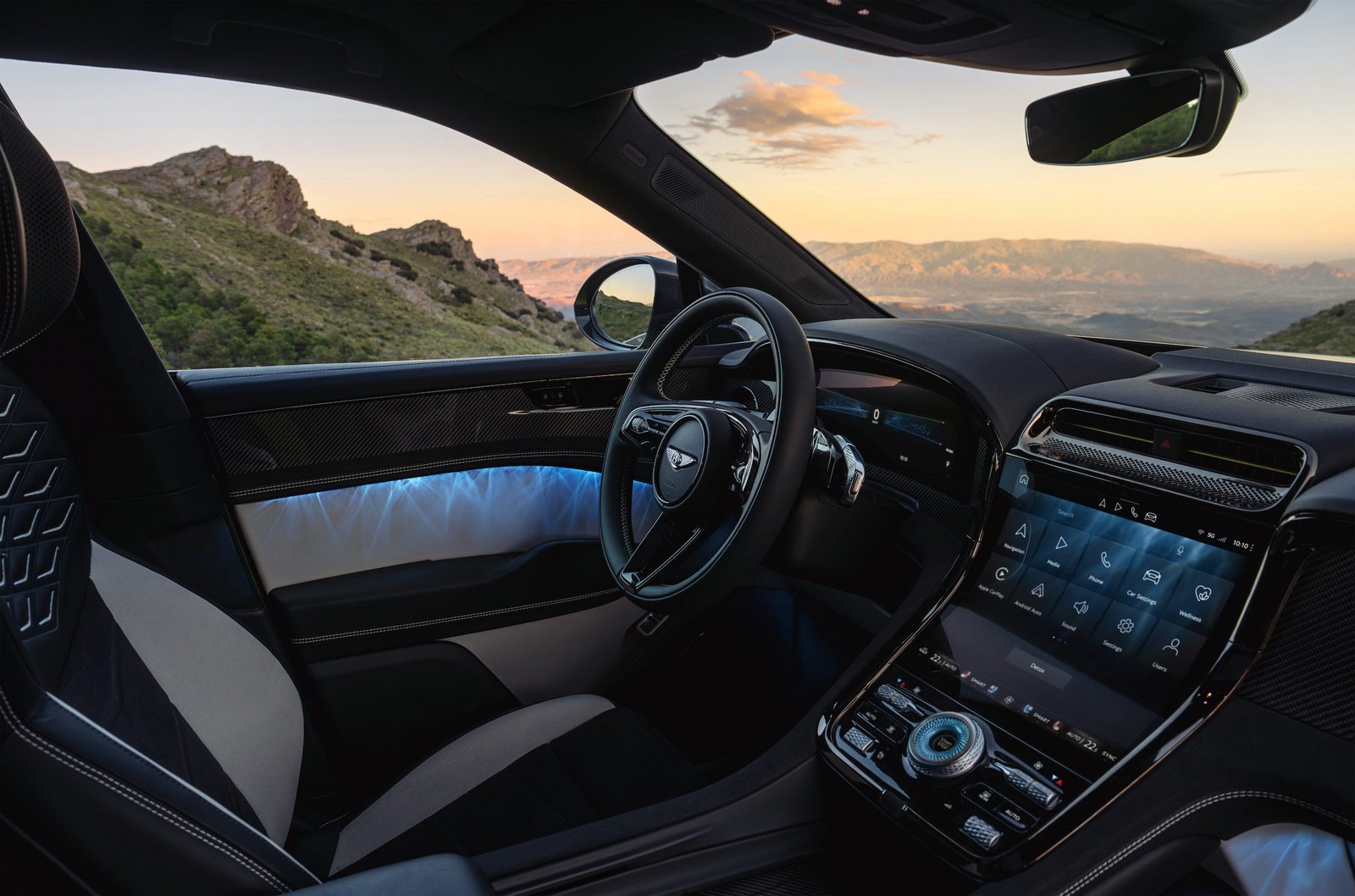
The interior continues this visual language through a measured composition of curved digital displays, timber, leather, refined metalwork and formed glass, bringing technology and material craft into quiet alignment. Each material is clearly expressed, giving the cabin a measured sense of depth and balance. Dinamica introduces a softer surface, while physical controls maintain a direct connection between the vehicle and its occupants. Surfaces, controls, lighting and sound operate as parts of a single spatial composition rather than as separate features. The technology is present, but it does not dominate the interior. Design extends beyond what can be seen. It continues through the underlying architecture, the arrangement of components and the assembly of materials, connecting how the Torcal is experienced with how it is made.
The Art of Design & Build
What becomes possible when design and manufacture consider not only the product, but the wider ecosystem it enters?
Design for Manufacture and Assembly brings these disciplines into closer alignment. Decisions made at the earliest stages begin to account for materials, fabrication, tolerances, logistics, sequencing and future adaptation. Drawing, modelling and manufacturing become parts of one continuous process rather than isolated phases of development. This connected approach extends beyond production. It considers how an product is made, how it performs, how it is maintained and how it might adapt over time. Each decision carries an influence beyond the finished form across material supply, energy, specialist knowledge, infrastructure and the experience of use.
The Torcal sets this new era in motion by carrying its knowledge forward with the times. Manufacturing, material understanding and established craft are brought into one composition, allowing familiar principles to evolve through new methods of design and production. In this sense, history is treated as a foundation for what follows revealing what becomes possible.
