Memory in Motion
Carrie Mae Weems’ London debut at Goodman Gallery unfolds less as an exhibition and more as an evolving meditation on memory, identity and the invisible forces that shape who we become. Working across photography, installation, film and performance, Weems has spent more than four decades exploring the stories that exist beyond the frame, stories often omitted from official histories yet deeply embedded within collective consciousness. This latest body of work continues that lifelong enquiry, inviting viewers into a quiet conversation about migration, belonging and the emotional landscapes we each navigate throughout our lives.
What makes Weems’ practice so compelling is its ability to exist simultaneously within reality and something just beyond it. Her photographs are unmistakably grounded in the physical world, yet they possess an almost dreamlike quality, where time appears suspended and familiar places become charged with symbolic meaning. The result is a visual language that feels both deeply personal and universally recognisable, reminding us that memory rarely unfolds as a linear record of events. Instead, it drifts, returns and reshapes itself over time, much like the ocean that repeatedly appears throughout the exhibition.
Reality Through a Surreal Lens
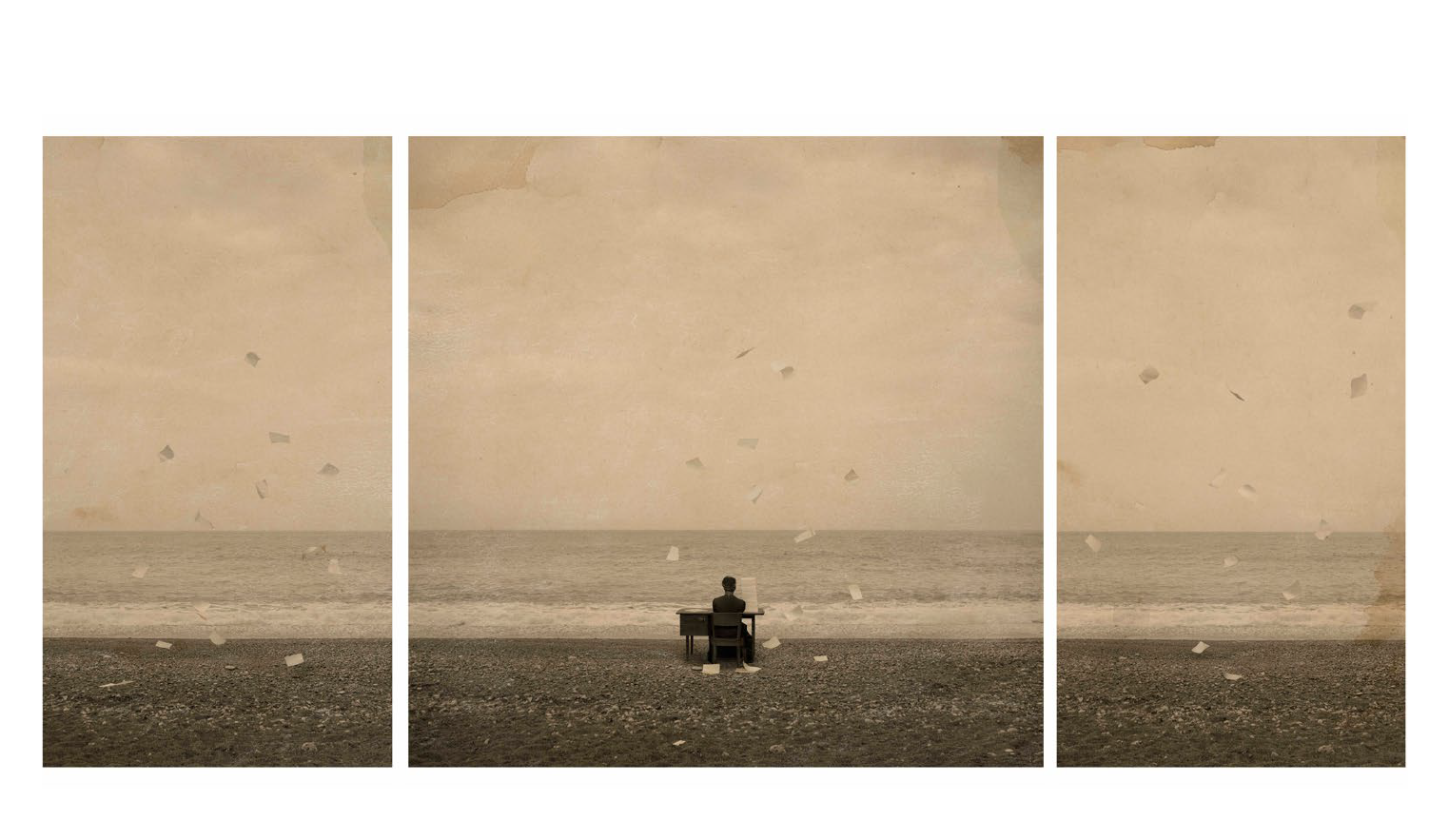
Among the central works is Seaside, a photographic sequence in which Weems positions herself facing the horizon, her back turned towards the viewer. It is an image of remarkable restraint. Nothing appears dramatic. The sea remains calm, the sky expansive and the figure almost motionless. Yet within this stillness lies an extraordinary emotional density. Standing before the ocean, Weems becomes both an individual and a universal presence, occupying a threshold between past and future, certainty and possibility.
The horizon begins to function as far more than a geographical line. It becomes a metaphor for every point in life where the destination remains unseen but the decision to move forward has already been made. We all encounter moments where growth requires stepping towards something we cannot yet fully understand. The horizon quietly reflects this condition. It is always visible, always inviting, yet forever just beyond reach.
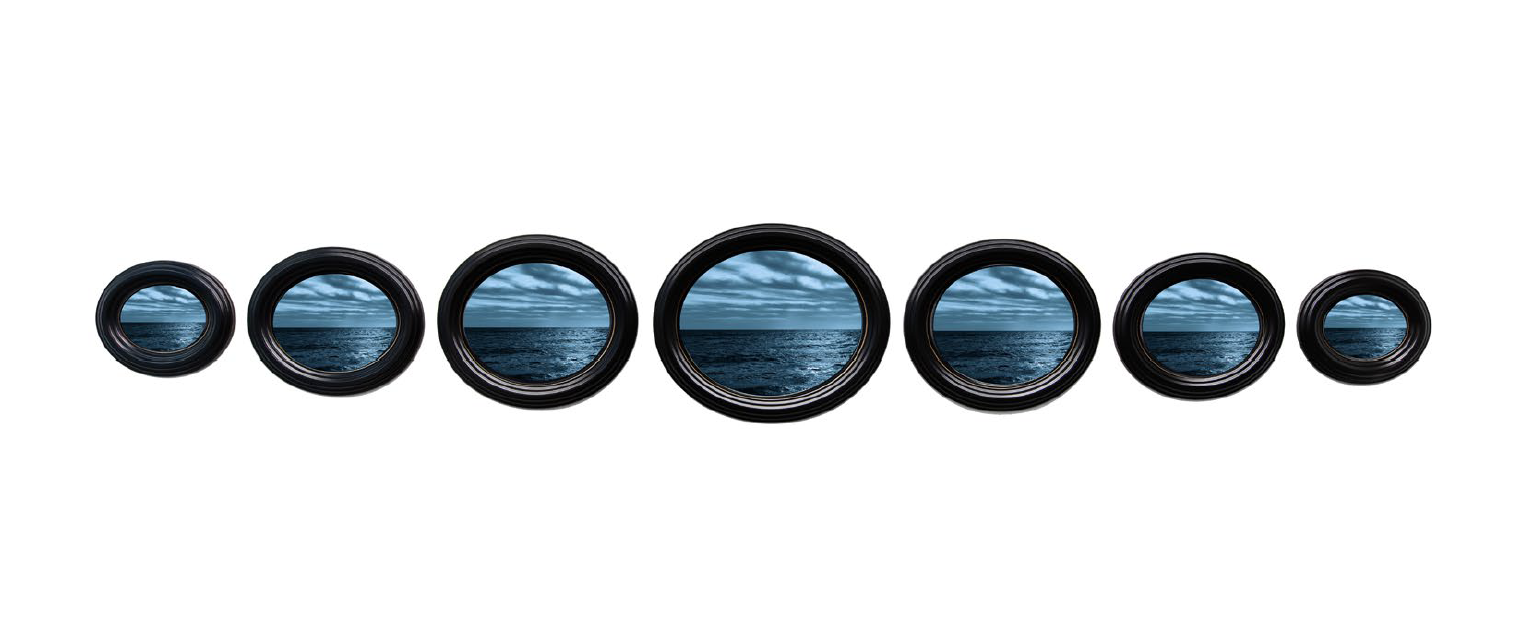
Throughout the exhibition, water emerges not only as subject matter but as an emotional landscape. Oceans have long carried stories of migration, survival, separation and hope. They connect continents while simultaneously dividing them. Weems understands this duality with remarkable sensitivity. Rather than illustrating history directly, she allows the sea to hold it. Its surface becomes an archive of lives lived, journeys undertaken and futures imagined, reminding us that every crossing carries both loss and possibility.
An Evolving Sense of Self
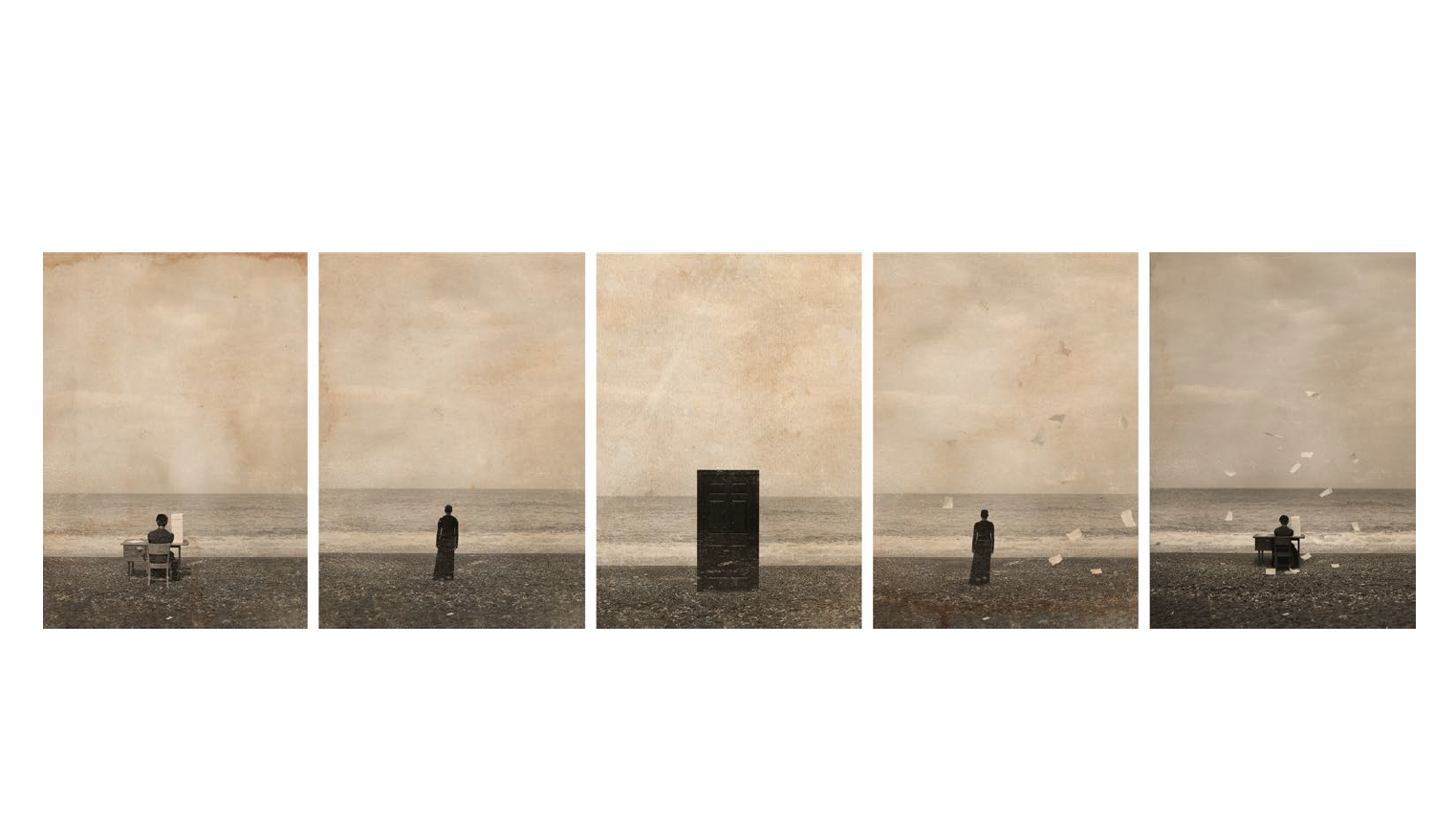
There is something quietly surreal about the way Weems constructs these moments. The scenes themselves remain entirely believable, yet they possess the atmosphere of remembered dreams. Time slows. Silence becomes tangible. The familiar begins to feel strangely distant. It is within this subtle shift that the work finds its emotional strength. Reality is never abandoned; it is gently expanded, allowing ordinary moments to reveal extraordinary emotional depth.
This sense of surrealism feels strikingly relevant to everyday life. Growth rarely announces itself in dramatic gestures. More often, it unfolds through quiet repetition, reflection and gradual transformation. We revisit old memories with new understanding. We outgrow familiar versions of ourselves. We learn that identity is not something fixed but something continually negotiated between where we have come from and where we hope to go. Weems captures this process with remarkable clarity, demonstrating that the most significant journeys often take place internally, long before they become visible externally.
That relationship between movement and identity continues throughout The Law of Diminishing Returns. The series presents miniature figures crossing the vastness of the ocean, their physical scale intentionally diminished against an immeasurable landscape. The images ask us to reconsider the relationship between individual lives and larger historical narratives. They remind us that every personal story exists within something far greater than itself. Every decision, however intimate, is shaped by histories inherited, places remembered and futures still unfolding.
The Ocean as Witness
Equally compelling is Ocean Line, where the horizon is isolated within deep blue fields of colour. These works appear almost minimal in their composition, yet they encourage prolonged contemplation. Blue ceases to function as colour alone. It becomes emotion. It shifts between melancholy and optimism, solitude and freedom, absence and possibility. The horizon dissolves into something less physical and more psychological, a place where reflection quietly begins.
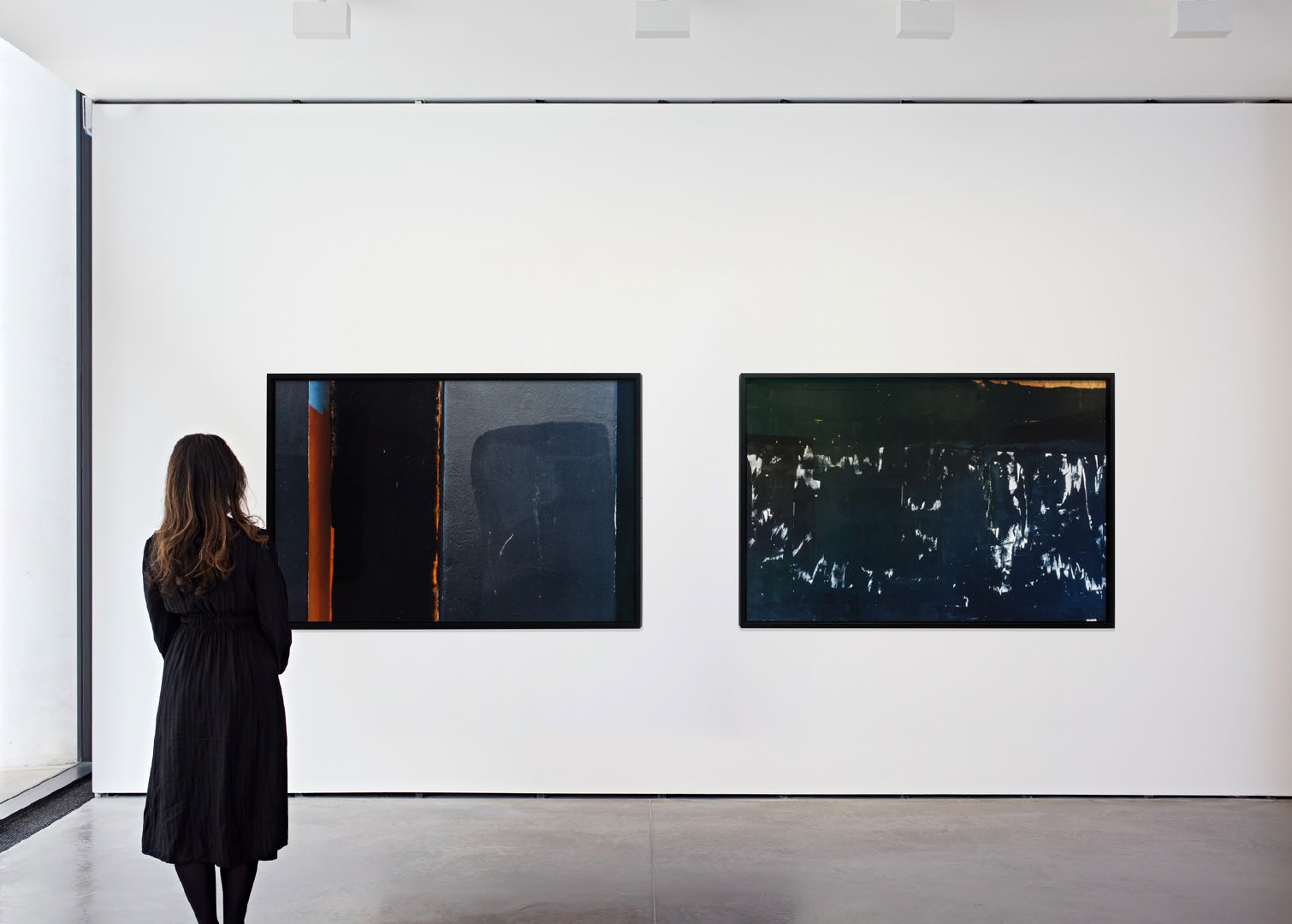
Elsewhere, Painting the Town introduces a different visual rhythm. Photographs of boarded shopfronts and painted façades initially resemble abstract compositions before gradually revealing the traces of protest, censorship and civic unrest that produced them. Layers of paint conceal as much as they reveal, transforming everyday surfaces into records of resilience. Weems invites us to consider how communities continue to move forward while carrying visible and invisible scars, much like individuals do throughout their own lives.
Perhaps this is where the exhibition resonates most deeply. It refuses to separate personal identity from collective experience. Memory is shown to be both individual and shared. Every life carries inherited narratives alongside newly written ones. Every place contains echoes of those who came before us. Every horizon invites us towards another version of ourselves.
The exhibition quietly suggests that surrealism is not an escape from reality but another way of understanding it. We often imagine surrealism as something fantastical or detached from everyday life, yet Weems demonstrates that the surreal frequently exists within ordinary experience. Memory bends chronology. Emotion reshapes perspective. Distance alters significance. The past finds unexpected ways of resurfacing in the present, while imagined futures influence the choices we make today. Her work reveals that our internal worlds are rarely governed by logic alone. They are fluid, layered and continually evolving, shaped as much by feeling as by fact.
There is no definitive conclusion offered by Weems, nor does there need to be. Her work resists certainty because certainty rarely reflects lived experience. Instead, the exhibition embraces ambiguity as a condition of being human. It suggests that belonging is not a destination but an ongoing process, that identity is continually rewritten through experience, and that growth often begins precisely where certainty ends.
Leaving the gallery, it becomes difficult to think of the ocean simply as water or the horizon simply as distance. They become symbols of transition, resilience and quiet transformation. They remind us that life is shaped not only by where we arrive, but by everything we encounter in the space between departure and destination. In Weems’ hands, photography becomes more than an act of observation; it becomes a gentle invitation to pause, reflect and recognise that our own stories, however ordinary they may seem, are part of a much larger tide.
Carrie Mae Weems is on view at Goodman Gallery London from 17 April to 27 May 2026. Bringing together Seaside, Ocean Line, The Law of Diminishing Returns and selections from Painting the Town, the exhibition offers a contemplative exploration of memory, identity and the enduring currents that continue to shape our individual and collective journeys. Further information, opening hours and visitor details can be found via the Goodman Gallery’s official exhibition page: Goodman-gallery.com/exhibitions/solo-presentation-carrie-mae-weems.